

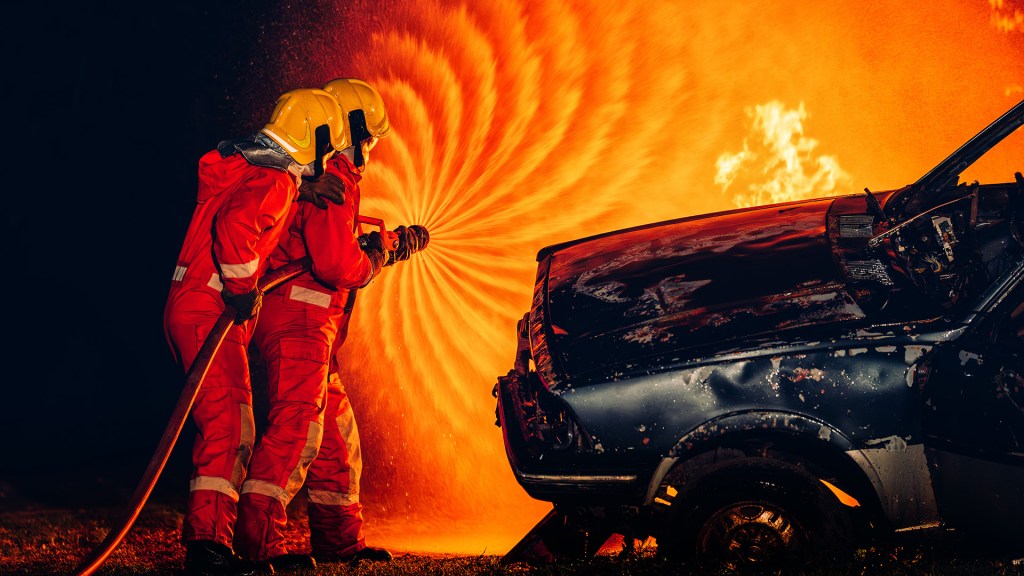

As of late, although it is nothing new here in Malaysia; road accidents have been on the newsfeed of most people across social media. Ask any one of your circle and chances are that you both will know of a tragic incident involving vehicles on the road is close to 100%. Why is this happening within our society and road users? As the name implies, accidents will occur despite measures of safety and reminders have been in place and communicated. However, we should still see one news surface while scrolling through our social media feeds every day.
It is part of our human nature to be continuously learning and our innate desire to share stories with our circle. This is a cycle in which we have difficulties to break and it will be close to impossible to fully cut the cycle from happening. From all of this sharing of car accidents or road accidents, we can learn of either two things. The first is the situation of the incidents and how people reacted to the case. That is what we will be touching on in this article and we will simply brush the surface of this topic and figure out a way how to deal with the issues as we progress ahead.
Let’s try to uncover what are the basic traits that can lead to a horrific accident along with the subsequent action from those involved or the first responder to the incident.
Personality Traits and Risk of Accidents
Through samples collected and research by academics and analysts, it was found that a correlation between these personality traits to the tendency of accidents to occur has been found.
- Impulsivity: Individuals with high impulsivity may make quick, risky decisions behind the wheel, increasing the likelihood of accidents.
- Aggression: Aggressive drivers are more likely to engage in risky behaviors like speeding, tailgating, and lane changes, which can lead to accidents.
- Sensation-Seeking: People who crave excitement and thrill-seeking may engage in risky driving behaviors to experience a rush, potentially resulting in accidents.
- Neuroticism: Individuals with high neuroticism, characterized by anxiety and emotional instability, may exhibit poorer driving performance and be more prone to accidents.
- Low Self-Control: Drivers with low self-control may struggle to resist risky behaviors and impulses behind the wheel, increasing the risk of accidents.
- Anxiety: Studies have shown that individuals with high anxiety levels tend to drive in a riskier way.
- Desire for Control: Some studies have reported that the trait of desire for control is also related to reckless driving and car accidents.
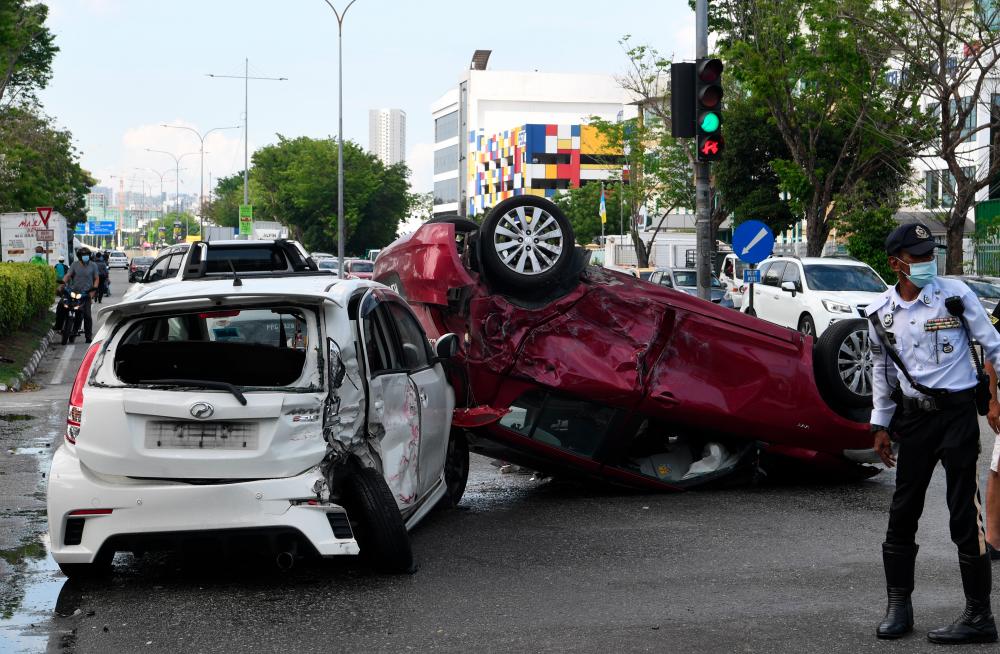
These traits can be controlled with self-reflection and good mental and physical exercise to avoid such critical decisions being made while operating a motor vehicle. The importance of self-control and having empathy in dealing with this situation which may lead to a life-or-death situation can be helpful to others apart from being beneficial to ourselves. We need to have more advocators of positive mindset drivers and riders on the road which can probably help manage the situation better. Recent cases where we can witness the lack of self-control lead to incidents that not only affect the drivers themselves but also others who are sharing the road.
Let us close this article for now and return to this topic with a mindset strategy to be more ready to operate motorized vehicles on the road along with positioning ourselves better to reduce the risk of involvement with an accident.



 Drivin On
Leave a comment